2009年7月10日 星期五

2009年6月24日 星期三
<劈腿測謊術>吼~你在說謊!
自由時報 文/張璇
有過被劈腿或伴侶不忠經驗的人都知道,除非有充足且完全難以狡辯的明顯證據,否則情人或伴侶打死也不會承認自己的背叛。即使是直覺尖敏、第六感超強的女生,也偶有被高手瞞天過海、唬弄得團團轉的失手經驗。原因無它,只因一般人都只能識破比較拙劣的遜謊言,高明奸巧型的慣性說謊者,則需要專家級的撇步或透過機器才能識透。覺得你的他言行詭怪、有些事情似有蹊蹺又好像滴水不漏,卻又買不起測謊機也不想找徵信社「抓猴」,不妨試試心理學家和犯罪測謊專家們歸納出的8種說謊者普遍特性來做初步判別,只要稍加留意,依然可以從言語中覺察出某些蛛絲馬跡。
<破綻1>
眼球出現反射動作
一個人在說謊時,通常無法直視欺騙對象的眼睛。因大腦在「建構」一個謊言時,眼球會自然而然地朝向右上方。這是一種反射動作,除非受過嚴格訓練,否則很難做到在一邊說謊時,一邊還能直直注視著對方的眼睛。也許在試圖了解情人的某些情況,而他又正好就在你的面前時,可以試著要求他:「請看著我的眼睛說。」
<破綻2>
刻意省略第一人稱
人在說謊時,會自然地感到不舒服,因此會出於本能地把自己從謊言剔除。如果感覺對方在描述中總是反覆且刻意地省略了「我」這個主詞,好像在描述一個別人的故事、好像是誰都可能發生的狀況,那就有被懷疑的理由了。
<破綻3>
音量和聲調不自覺地提高
如果你問另一半剛剛是誰打來的電話時,對方的聲音比平時高了好幾度,或語調上與平時有異,可能就要稍微有點警惕了,因為音調升高或不自然的音量往往是為了掩飾內心的脆弱。
<破綻4>
無意識的東摸西摳
大部分的人撒謊時都會習慣觸摸自己,潛意識會用手撫摸身體某一部位來掩飾內心不安和保持鎮定,可能會出現如擺弄手指、搔頭抓癢、用手摀嘴等等細微的動作。不過這個辨識技巧須和緊張時或調情時的肢體語言作區隔。
<破綻5>
情感表情轉換得很快
一般來說,正常的表情會來得快但消失得慢,通常會停留個幾秒鐘,但是在「偽裝的臉」上,真實的情感只會停留極短的時間,一個人如果說話並非忠於事實也不誠懇,仔細觀察便會看出他的不同情緒會轉換得很快,甚至可以看出難過、懊悔或裝無辜的表情並不是「很紮實」。
<破綻6>
說謊時鼻子會充血
科學家們發現,人在說謊或緊張時,多餘的血液會流到臉上,會使得鼻子膨脹好幾毫米。但這樣的變化通常僅靠肉眼並觀察不到,不過說謊者可能會覺得鼻子不太舒服,而不經意地觸摸它。無怪乎一直有一種說法,如果一個人說話時會不自覺地摸鼻子,很可能就是在說謊。
<破綻7>
笑容不太自然
這個科學發現很有趣:真正的微笑是均勻的,在面部的兩邊是對稱的;而偽裝的笑容則會有些不均衡。原因是當一個人臉部的左側或右側的笑容不真實時,另一側也會想做出積極的反應;但出自真誠、非虛偽的笑容是會完全對稱自然的。
<破綻8>
不太會忘記細節
說謊的人為了怕描述時一時口吃或因過於慌張而說出前後矛盾的說詞,通常都已經把假定的情景和可能被問到的問題通設定好答案。如果你問對方昨天幾點到幾點在做什麼?或是為什麼口袋裡出現一張奇怪的發票或刷卡單據?通常他是不會支吾其詞或時間地點顛三倒四的。為什麼不會犯這種錯誤也找不出什麼漏洞?因為偷吃能手通常都已經整個預想好要如何交代情節安排了。
出軌徵兆一覽表
除了在言語上的某些破綻漏洞讓你很確定不是自己疑神疑鬼,某些不尋常的行為轉變也正暗示你的情人可能已對你不忠實。如果原本沒有以下這些習性,另一半卻出現了一些突發性的明顯改變,可能你們之間真的出現了第三者。
●突然很注重外表。
●變得不太敢直視你的眼睛。
●常常心不在焉,沒辦法專心聽你說話。
●性趣缺缺,連擁抱也有點敷衍。
●手機經常關機或無人接聽。
●常以加班和處理事情為由取消約會和夜半不歸。
●上網時間越來越多或經常自己一個人躲在房間裡。
●一起外出時不太願意牽手,親吻變得像輕啄。
●忘記兩人約定的頻率越來越高。
●在車上接到某個人的電話時,語氣和表情顯得不自然。
有過被劈腿或伴侶不忠經驗的人都知道,除非有充足且完全難以狡辯的明顯證據,否則情人或伴侶打死也不會承認自己的背叛。即使是直覺尖敏、第六感超強的女生,也偶有被高手瞞天過海、唬弄得團團轉的失手經驗。原因無它,只因一般人都只能識破比較拙劣的遜謊言,高明奸巧型的慣性說謊者,則需要專家級的撇步或透過機器才能識透。覺得你的他言行詭怪、有些事情似有蹊蹺又好像滴水不漏,卻又買不起測謊機也不想找徵信社「抓猴」,不妨試試心理學家和犯罪測謊專家們歸納出的8種說謊者普遍特性來做初步判別,只要稍加留意,依然可以從言語中覺察出某些蛛絲馬跡。
<破綻1>
眼球出現反射動作
一個人在說謊時,通常無法直視欺騙對象的眼睛。因大腦在「建構」一個謊言時,眼球會自然而然地朝向右上方。這是一種反射動作,除非受過嚴格訓練,否則很難做到在一邊說謊時,一邊還能直直注視著對方的眼睛。也許在試圖了解情人的某些情況,而他又正好就在你的面前時,可以試著要求他:「請看著我的眼睛說。」
<破綻2>
刻意省略第一人稱
人在說謊時,會自然地感到不舒服,因此會出於本能地把自己從謊言剔除。如果感覺對方在描述中總是反覆且刻意地省略了「我」這個主詞,好像在描述一個別人的故事、好像是誰都可能發生的狀況,那就有被懷疑的理由了。
<破綻3>
音量和聲調不自覺地提高
如果你問另一半剛剛是誰打來的電話時,對方的聲音比平時高了好幾度,或語調上與平時有異,可能就要稍微有點警惕了,因為音調升高或不自然的音量往往是為了掩飾內心的脆弱。
<破綻4>
無意識的東摸西摳
大部分的人撒謊時都會習慣觸摸自己,潛意識會用手撫摸身體某一部位來掩飾內心不安和保持鎮定,可能會出現如擺弄手指、搔頭抓癢、用手摀嘴等等細微的動作。不過這個辨識技巧須和緊張時或調情時的肢體語言作區隔。
<破綻5>
情感表情轉換得很快
一般來說,正常的表情會來得快但消失得慢,通常會停留個幾秒鐘,但是在「偽裝的臉」上,真實的情感只會停留極短的時間,一個人如果說話並非忠於事實也不誠懇,仔細觀察便會看出他的不同情緒會轉換得很快,甚至可以看出難過、懊悔或裝無辜的表情並不是「很紮實」。
<破綻6>
說謊時鼻子會充血
科學家們發現,人在說謊或緊張時,多餘的血液會流到臉上,會使得鼻子膨脹好幾毫米。但這樣的變化通常僅靠肉眼並觀察不到,不過說謊者可能會覺得鼻子不太舒服,而不經意地觸摸它。無怪乎一直有一種說法,如果一個人說話時會不自覺地摸鼻子,很可能就是在說謊。
<破綻7>
笑容不太自然
這個科學發現很有趣:真正的微笑是均勻的,在面部的兩邊是對稱的;而偽裝的笑容則會有些不均衡。原因是當一個人臉部的左側或右側的笑容不真實時,另一側也會想做出積極的反應;但出自真誠、非虛偽的笑容是會完全對稱自然的。
<破綻8>
不太會忘記細節
說謊的人為了怕描述時一時口吃或因過於慌張而說出前後矛盾的說詞,通常都已經把假定的情景和可能被問到的問題通設定好答案。如果你問對方昨天幾點到幾點在做什麼?或是為什麼口袋裡出現一張奇怪的發票或刷卡單據?通常他是不會支吾其詞或時間地點顛三倒四的。為什麼不會犯這種錯誤也找不出什麼漏洞?因為偷吃能手通常都已經整個預想好要如何交代情節安排了。
出軌徵兆一覽表
除了在言語上的某些破綻漏洞讓你很確定不是自己疑神疑鬼,某些不尋常的行為轉變也正暗示你的情人可能已對你不忠實。如果原本沒有以下這些習性,另一半卻出現了一些突發性的明顯改變,可能你們之間真的出現了第三者。
●突然很注重外表。
●變得不太敢直視你的眼睛。
●常常心不在焉,沒辦法專心聽你說話。
●性趣缺缺,連擁抱也有點敷衍。
●手機經常關機或無人接聽。
●常以加班和處理事情為由取消約會和夜半不歸。
●上網時間越來越多或經常自己一個人躲在房間裡。
●一起外出時不太願意牽手,親吻變得像輕啄。
●忘記兩人約定的頻率越來越高。
●在車上接到某個人的電話時,語氣和表情顯得不自然。
2009年5月17日 星期日
2009年4月26日 星期日
2009年3月27日 星期五
2009年2月24日 星期二
2009年2月12日 星期四
歐巴馬就任首次記者會之一,說明經濟振興計劃
Before I take your questions tonight, I'd like to speak briefly about the state of our economy and why I believe we need to put this recovery plan in motion as soon as possible.
今天晚上在我回答你們的問題之前,我想簡單地談談國內的經濟狀況,以及為何我認為我們需要盡快將恢復經濟行動計劃付諸行動。
I took a trip to Elkhart, Ind., today. Elkhart is a place that has lost jobs faster than anywhere else in America. In one year, the unemployment rate went from 4.7 percent to 15.3 percent. Companies that have sustained this community for years are shedding jobs at an alarming speed, and the people who've lost them have no idea what to do or who to turn to. They can't pay their bills, and they've stopped spending money. And because they've stopped spending money, more businesses have been forced to lay off more workers. In fact, local TV stations have started running public service announcements that tell people where to find food banks, even as the food banks don't have enough to meet the demand.
我今天去一趟印地安納州艾克哈特。艾克哈特是一個發生失業比美國任何其他地方更快的地區。在一年,失業率從4.7%上升至15.3%。多年來維持此地的公司,正以驚人的速度減少工作減少職位,而已經失業的人們也不知道該怎樣做或找誰求助。他們無法支付帳單,已經不再花錢。因為他們已經不再花錢,更多的企業被迫裁掉更多工人。事實上,當地電視台已開始進行公眾服務通知,告訴人們在何處找到食物銀行,僅管食物銀行已無法足夠地應付需求。
As we speak, similar scenes are playing out in cities and towns across America. Last Monday, more than a thousand men and women stood in line for 35 firefighter jobs in Miami. Last month, our economy lost 598,000 jobs, which is nearly the equivalent of losing every single job in the state of Maine. And if there's anyone out there who still doesn't believe this constitutes a full-blown crisis, I suggest speaking to one of the millions of Americans whose lives have been turned upside down because they don't know where their next paycheck is coming from.
如我們所言,類似的情景在全美國各地的城市和城鎮發失著。上星期在邁阿密有一千多名男子和婦女排隊應徵35名消防隊工作。上個月,我們的經濟狀況造成598,000工作減少。此相等於緬因州的失業人數。如果有任何人,仍然不認為這是一個全面危機,我建議他與這些數以百萬計因失業生活受到了天翻地覆改變的人們談一談,因為他們不知道下一張薪水支票來自何方?
And that is why the single most important part of this economic Recovery and Reinvestment Plan is the fact that it will save or create up to 4 million jobs — because that's what America needs most right now.
為何經濟振興方案最重要的部分,是該方案將保有或創造多達400萬工作機會,就是基於此一事實,因為這是美國現在最需要的。
It is absolutely true that we can't depend on government alone to create jobs or economic growth. That is and must be the role of the private sector. But at this particular moment, with the private sector so weakened by this recession, the federal government is the only entity left with the resources to jolt our economy back into life. It is only government that can break the vicious cycle where lost jobs lead to people spending less money, which leads to even more layoffs. And breaking that cycle is exactly what the plan that's moving through Congress is designed to do.
我們不能單靠政府創造就業機會或追求經濟增長,這是絕對正確。這必須靠私人企業起作用。但在這一特殊時刻,私人企業因為景氣被削弱了,聯邦政府是唯一的實體,還有資源足以撼動經濟的頹勢讓經濟重新融入生活。只是政府可以打破失業導致人們花錢少,從而導致更多裁員的惡性循環。而且打破這一循環,正是那要被國會通過的方案,原先就被設計來達成的目標。
When passed, this plan will ensure that Americans who have lost their jobs through no fault of their own can receive greater unemployment benefits and continue their health care coverage. We'll also provide a $2,500 tax credit to folks who are struggling to pay the costs of their college tuition, and $1,000 worth of badly needed tax relief to working and middle class families. These steps will put more money in the pockets of those Americans who are most likely to spend it, and that will help break the cycle and get our economy moving.
這項方案獲得通過後,將確保那些並非因自己過錯而已經失去了工作的美國人,可以得到更多的失業福利和繼續獲得保健保護。我們還提供了2,500元稅收抵免,給那些為支付大學學費用掙扎的人們。和$1,000元的抵免給急需減稅的工作和中產階級家庭。這些步驟將使更多的錢放在那些最可能花費錢的美國人口袋裡,此將協助打破景氣循環並讓我們的經濟的以前進。
But as we've learned very clearly and conclusively over the last eight years, tax cuts alone can't solve all of our economic problems — especially tax cuts that are targeted to the wealthiest few Americans. We have tried that strategy time and time again, and it's only helped lead us to the crisis we face right now.
但我們已在過去八年中清礎地且明確地學到,減稅無法單獨地解決我們的經濟問題,特別是僅度少數的美國富豪減稅。我們已不斷地試了又試,結果就是將我們帶到面對現在的危機。
And that's why we have come together around a plan that combines hundreds of billions in tax cuts for the middle class with direct investment in areas like health care, energy, education and infrastructure — investments that will save jobs, create new jobs and new businesses, and help our economy grow again, now and in the future.
因此,我們起了一個全面性計劃,結合幾千億元對中產階級減稅,以及例如保健、能源、教育和基礎設施的直接投資,這些投資,將保有職位,創造新就業機會和新的商機,並有助於我們的經濟於現在和未來再次增長。
More than 90 percent of the jobs created by this plan will be in the private sector. They're not going to be make-work jobs, but jobs doing the work that America desperately needs done, jobs rebuilding our crumbling roads and bridges, repairing our dangerously deficient dams and levees so that we don't face another Katrina. They'll be jobs building the wind turbines and solar panels and fuel-efficient cars that will lower our dependence on foreign oil, and modernizing our costly health care system that will save us billions of dollars and countless lives.
這項計劃所創造出的職位,超過90%將會在私人企業。這計劃並不是要為有工作職位而設職位,這些工作職位是為美國迫切需要做的工作而設的,這些工作重建我們毀壞的道路和橋梁,修理我們十分危險地有缺陷的水壩和堤壩;所以卡翠娜颶風的悲劇不會重演。這計劃也會有一些建設風力渦輪發電機和太陽能板以及低油耗汽車的職位,將會降低我們對外國石油的依賴,並使昂貴的醫療系統現代化以幫助我們省下數十億元及救回無數的生命。
They'll be jobs creating the 21st century classrooms, libraries and labs for millions of children across America. And they'll be the jobs of firefighters and teachers and police officers that would otherwise be eliminated if we do not provide states with some relief.
這計劃也會有一些職位為全美數以百萬計的學童創建21世紀課室、圖書館和實驗室。也會有職位是消防人員和教師和警察人員,如果我們不向各州提供一些補助的話這些職位將會被取消,。
After many weeks of debate and discussion, the plan that ultimately emerges from Congress must be big enough and bold enough to meet the size of the economic challenges that we face right now. It's a plan that is already supported by businesses representing almost every industry in America; by both the Chamber of Commerce and the AFL-CIO. It contains input, ideas and compromises from both Democrats and Republicans. It also contains an unprecedented level of transparency and accountability, so that every American will be able to go online and see where and how we're spending every dime. What it does not contain, however, is a single pet project, not a single earmark, and it has been stripped of the projects members of both parties found most objectionable.
經過許多個星期的辯論和討論,國會最終形成的這項計劃必須夠大、且夠大膽,達到足以面對我們現在所面臨的經濟挑戰。這是一個受到代表幾乎遍布全美各行各業的企業家支持,獲得了美國商會、美國勞工聯合會-產業工會聯合會的支持。它蘊含著來自民主共和兩黨的貢獻、構思和妥協。它還包含一個前所未有的透明度和清楚說明,因此每一個美國人能夠上網,看到每一毛錢花在哪裡和如何開支。但它不包含獨厚單一項目,不專對某項指定的用途,而這同時令兩黨專案成員反感的部分已被從中剝離。
Now, despite all of this, the plan is not perfect. No plan is. I can't tell you for sure that everything in this plan will work exactly as we hope, but I can tell you with complete confidence that a failure to act will only deepen this crisis as well as the pain felt by millions of Americans. My administration inherited a deficit of over $1 trillion, but because we also inherited the most profound economic emergency since the Great Depression, doing a little or nothing at all will result in even greater deficits, even greater job loss, even greater loss of income, and even greater loss of confidence. Those are deficits that could turn a crisis into a catastrophe. And I refuse to let that happen. As long as I hold this office, I will do whatever it takes to put this economy back on track and put this country back to work.
儘管如此,現在這個計畫是不完美的,也沒有計劃是完美的。我不能向你保證,這個計畫裏的每一部分都會如我們所願地發展,但我可以相當肯定地告訴你,要是我們不採取行動,就只會令我們的危機加劇、令數百萬國民所感受到的痛苦加深。現在,我的管理團隊接手了超過一兆美元的財政赤字,然而,由於我們還接手了大蕭條以來最為嚴重的一次經濟危機,要是我們不作為或者僅稍加作為,那我們只會得到更龐大的赤字、更多的失業和收入損失,甚至是更嚴重的信心打擊。
I want to thank the members of Congress who've worked so hard to move this plan forward. But I also want to urge all members of Congress to act without delay in the coming week to resolve their differences and pass this plan.
我想感謝那些為推動這項計劃付出努力的國會議員。但我還要促請所有國會議員立即採取行動,在這周內解決分歧和通過這項計劃。
We find ourselves in a rare moment where the citizens of our country and all countries are watching and waiting for us to lead. It's a responsibility that this generation did not ask for, but one that we must accept for the future and our children and our grandchildren. And the strongest democracies flourish from frequent and lively debate, but they endure when people of every background and belief find a way to set aside smaller differences in service of a greater purpose.
我們明白正處在一個多年不遇的時刻,美國以及各國人民都盼望著我們帶頭行動。為了我們子孫後代的未來,我們這一代人必須承擔起這個不請自來的責任。最堅定的民主往往興盛於頻繁活躍的辯論中,但它們只在擁有各樣背景和信仰的人們為一個遠大的目標而放下微小歧見時才能真正持久。
That's the test facing the United States of America in this winter of our hardship. And it is our duty as leaders and citizens to stay true to that purpose in the weeks and months ahead. After a day of speaking with and listening to the fundamentally decent men and women who call this nation home, I have full faith and confidence that we can do it. But we're going to have to work together. That's what I intend to promote in the weeks and days ahead.
這是美利堅合眾國在這個艱難嚴冬中要面臨的考驗,作為領袖和公民,在未來數周數月裏認清這個遠大目標是我們的責任。那些本質正直的男女同胞們,他們把這個國家視為他們的“家”;在今天傾聽了他們的想法並和他們交談過後,我充滿信心我們能夠認清這個遠大目標,不過我們必需要一起努力。而這,是我在未來幾日和數周內打算向大家強調的。
And with that, I'll take some of your questions.
就這個內容,下面我將回答部分各位的問題。
來源
就職典禮影片
2008年12月31日 星期三

2008年11月29日 星期六
小孩不笨 笨的是你!

如果大人把小孩當作消費者,要如何包裝你的觀念,促銷你的期望?
無論您已經身為父母或者家裡有其他親戚的小孩,應該不難發現大人與小孩之間,每天總是為了吃飯、睡覺、讀書、看電視、打電動玩具等相同且重複的問題上演攻防戰。
如果大人把小孩當作消費者,而你希望這些不聽話的小孩消費的產品是接受你的「觀念」或「期望」,那你應該用怎樣的方式對這些目標消費者行銷你的產品?你將如何包裝你的觀念?你將如何促銷你的期望?
當我還是小孩子的時候,我總覺得父母親真是不瞭解我,總是給我一些我不喜歡的事情去作,雖然久了也就習慣了,總是在叛逆與孝順之間取得一個平衡點,但是自從我自己身為人父之後,才真的深切體會到要小孩聽話其實是一門比要消費者聽話還難的學問。尤其是對我家這位1歲左右的小寶貝,光是希望她能乖乖的睡覺或者安靜且快速的把一頓晚餐吃完就已經讓我跟太太傷透腦筋。
小孩比消費者更難擺平
根據很多朋親朋好友的經驗指出,小孩子由小到大一直到父母再也沒知覺的那一天為止,永遠都會有各種自己的想法,當父母的我們,卻總是希望子女可以更聽話一點。
這種情況越看越像銷售產品的廠商,總是希望消費者能聽話一樣,廠商們最希望看到的就是消費者在看到廠商的產品促銷文宣或廣告之後,在已經安排好的通路中,以標籤上的價格購買希望你消費的產品。
如果您問我小孩跟消費者那個比較難擺平?我的答案應該跟大多數父母一樣都認為小孩比較難,因為小孩不僅可以不聽話甚至於還可以無理取鬧,所以我認為如果可以學會把自己家裡不講理的小孩擺平了,那麼您說服消費者的能力應該會大有進步才對。古人說「修身、齊家、治國、平天下」,由此看來真的是有其道理。
絕少小孩是理性
如果消費者可以分類為理性與非理性的,那小孩當然也可以分為聽得懂人話與無法溝通的兩種。一般來說,那些來不會用語言來表達想法,卻已經先會用高分貝的哭聲或討人厭的耍賴行為表達意見的可歸類為無法溝通的「非理性」小孩,而已經會用言語頂撞或解釋其不當行為的可以歸類為聽的懂人話的「理性」小孩。
我的女兒目前就是屬於這種非理性的族群,而我這個廠商在工作順利且寫稿快速心情好的時候,我可能會趴在地上陪她爬爬或者抱著她玩飛機遊戲,等到她玩累了她自然會乖乖的睡覺,雖然那時候我自己已經精疲力盡,但是至少我的消費者反應出來的滿意度看起來是不錯的。
但是當我心情不好或者缺錢的時候,如果回家碰到的是哭鬧且不聽話的小孩,有時候難免會大聲吼她,甚至於會海扁她兩下,但是就跟一般家裡的狀況一樣,隨之而來的結果永遠不會是寂靜無聲的結局,反而會換來更長時間的對峙與更高分貝的噪音。
遺傳基因的迷思
據觀察,「市面上」的小孩幾乎都會隨著年紀與生活經驗的增加而有越來越多自己的想法,同時間家長也會有更多的期待,例如你會開始希望他好好讀書、會希望他是一個有禮貌的小孩、甚至會希望他是一個德智體群美五育並重的模範生,但是縱然你自己當年曾經是個拿獎狀的好小孩,你的小孩不見得就會遺傳到你全部優秀的基因,更何況你還可能跟我一樣不大會教育小孩,在這種狀況下責怪小孩不聽話或罵這小孩笨,那就好像你在公司責怪員工或者在產品行銷時抱怨消費者不願意買你們公司的產品一樣,罵完了你還是沒有改變些什麼,而且還可能被消費者抱怨說產品不好還不知道檢討。
我是由台灣大學工商管理系畢業的,常常有家長誤以為我很會讀書,所以總是會有親戚朋友甚至於客戶跑來問我到底要怎麼作才能讓小孩喜歡愛讀書?雖然我自己打從心裡不贊成小孩被逼迫去讀教科書,但是看著這些家長對小孩殷切的期望,我倒是有些行銷方面的建議供身為父母親的參考看看,因為我最近越來越發現培養小孩與培養產品有很多相同的觀念。
深入瞭解消費者的需求
如果你同意把教育小孩這件事情當成行銷你的觀念的一種行為,那首先你必須先去作一件你在產品行銷時都會記得的事情,那就是深入去瞭解消費者的需求。很多家長大概自己都不先看看小孩的教科書,每天只會看聯絡簿與成績單這兩份資料,而這種只看「報表」來決定績效的方式,其實只滿足了你的管理慾望卻不符合產品行銷成功的原則,我建議您可以先由「市調」開始,先試著去瞭解你的小孩目前究竟有怎樣的學習需求。
例如如果小孩最近讀到元朝的歷史,也許你可以用一部「成吉思汗」的DVD當作「促銷」手段,讓小朋友利用看影片的方式學習,也就是我們常說的「互動式行銷」或者「影音行銷」,而當自然科學在學習太陽系的構造時,與其要他死背那九顆行星的順序,也許可以考慮將「通路」換到天文台參觀,這些其實都是一些「體驗行銷」的手法。
俗話說「讀萬卷書不如行萬里路」,相對於您目前在週末也把小孩送到補習班的行為,我認為多安排一些戶外實地教學也許還比較有效果。所以下次別再問別人怎麼讓小孩愛讀書了,因為讀書不是吸收知識唯一的管道,不然你自己為什麼那麼愛上網與看電視?更何況你如果真的把小孩現在的數學書本拿起來看看,你確定你自己真的每題都會算嗎?
只有不會教的父母
有部電影《小孩不笨2》裡面有句很發人省思的對白是「天底下沒有教不會的小孩,只有不會教的父母」。小孩會成長、會思考、會叛逆,這些行為跟消費者的行為都很像。小孩永遠是自己的但是數量不多,消費者雖然來來往往但是全世界有50億個,也許我們真的可以在與小孩的互動中學習很多產品行銷應該有的態度,因為天底下沒有賣不出去的產品,只有不會賣的廠商。
行銷點子:
笨的永遠不是被行銷的對象,而是不會行銷的你
Web2.0時代搜尋引擎最新需求

在2007年,sersearch.com網站上,做了一個次世代搜尋引擎的使用者功能投票,在698份的有效票中顯示,38%(262票)的使用者希望搜尋引擎能更瞭解使用者的搜尋字串;而有另外26%(179票)的選票,希望搜尋引擎能提供給使用者更適當(relevant)的搜尋結果,兩者合佔了全部選票的64%。
在Yahoo!於今年所做的一份報告中,整理使用者的資訊需求比重,其中說明了導航式的資訊需求(想去某個網站的需求)只佔了使用者所有資訊需求的約15%~25%,不及於資訊式資訊需求(40%~65%)及交易式資訊需求(20%~35%)。然而,主流的搜尋引擎,將要解決的問題重心放在【搜尋結果的公正排序方法】上,希望能做到不被使用者看破手腳的公正排序方法;正因如此,目前的主流搜尋引擎大多適合解IR(Information Retrieval)領域中導航式資訊需求(Navigational Information Need);對於常見的另外兩種資訊式需求(Informational Information Need)以及交易式需求(Transactional Information Need),則著墨較少。
我們以目前搜尋引擎的龍頭Google和Yahoo!兩者為例,在網路上尋找資源的方法分為兩種,一種為搜尋引擎、另一種為分類瀏覽架構(如雅虎拍賣的分類瀏覽)。
搜尋引擎雖然可以快速的回傳給使用者大量資料,然而關鍵字的搜尋比較適合程度較進階的網路使用者,根據雅虎最近的報告顯示,有85%的使用者,無法在第一次的關鍵字搜尋就找到想要的結果;另外,目前主流的幾個搜尋引擎,對其搜尋的結果呈現並未經過整理分類,直接一筆一筆的陳列在使用者面前;如果,使用者是想尋找某一特定網站,算是具有相當的便利性。
然而,若是為了學習某一概念而蒐集資料,面對未經整理的搜尋結果,必須一個個網頁點閱,時常會發生重複拜訪某一頁面,或點入不相關的網頁;分類瀏覽架構則因分類架構較不親近使用者,使得使用者不容易跟隨該架構瀏覽網路資源。尤有甚者,分類架構中的瀏覽頁面為網頁提供者所編排好的結果,是網頁提供者希望使用者閱讀的資訊,而非使用者本身想要尋找的資訊。
更快速的回應導航式需求
擁有導航式資訊需求的使用者,由於已經知道自己想要去的網站,只是想由搜尋引擎找到網站的網址連結,所以講求的是快速反應。
由web2.0的重要技術特徵──異步JavaScript和XML(Ajax - Asynchronous JavaScript and XML)可以看出,Web2.0講求對使用者提供更友善與更快速反應的使用介面。其中,有一種流行的應用方式──關鍵字自動補完,可以在使用者輸入搜尋字串的過程中,預測使用者可能想輸入的關鍵字,並且用下拉式選單的方式推薦給使用者。這種關鍵字推薦的方式可以幫助使用者更快速的完成輸入;不過,在更先進的研究中,已經有人開始提出可以直接在推薦的下拉式選單中,先猜測使用者想去的網站,並直接推薦給他,讓使用者可以更快速的到達目的地。
在著名的 ReadWrite 去年9月所發布的百大替代搜尋引擎(The Top 100 Alternative Search Engines)中,大部份的網站提供跨網站的搜尋功能,讓使用者在統一的搜尋介面中,自由的組合要搜尋的網站群組,或是搜尋的資源類別組合。
另外,南韓第一大的搜尋引擎【Naver】,以分類式的結果呈現,成功打敗了google,在當地佔有超過70%的市場。除此之外,KartOO和Vivisimo等網站以自動針對搜尋結果作關鍵字叢集的方法,讓使用者可以根據結果的關鍵字分布,以樹狀結構的方式瀏覽搜尋結果。
更豐富的資訊導覽方式
新興Web2.0網站應用中,提供了以使用者為中心的標籤(Tag)功能,使用者可以針對有興趣的網頁進行標籤,而經由網站上匯集所有被標記的標籤,形成了標籤雲(Tag Cloud),其中標籤字形越大者,表示是越多使用者採用的標籤(熱門標籤),上圖為摘自del.icio.us的標籤雲,使用者可以藉此觀察目前網站上面最熱門的相關主題。

此外,隨著Web2.0的潮流而來的是大量網路服務平台。透過這些平台,使用者自行製造網路內容(web content),彼此分享,結果導致大量的網路資源出現。在面對大量的搜尋結果,已經有許多網站開始嘗試提供使用者更豐富方便資源導覽方式,例如可以讓使用者自己設定搜尋條件區間的多維度搜尋(faceted search),或是利用將關鍵字作叢集或是建立關聯的方式,讓使用者除了搜尋之外,可藉由關聯辭導覽,漸進式的向自己想要的資源趨近。這種透過概念關聯地圖導覽的方法,讓使用者在資源中漫遊的【導覽式搜尋】(exploratory search)方式,目前也是一種趨勢,和多維度搜尋都是幫助使用者更明確的表達自己的資訊需求,讓使用者更輕鬆的搜尋網路資源。目前比較成熟的例子有Quintura和LivePlasma等等網站。
更多元的網路社群互動分析
新的搜尋趨勢中,人的搜尋也是一個重要議題。其中,可簡單分為專家搜尋和一般的尋人服務;目前,目前的研究以專家服務為主,透過尋找專家,增加滿足使用者資訊需求的機會,並進一步幫助使用者完成自己的任務。
以社會網路觀點進行觀察,隨著個人專精的問題領域與水準不同,知識分享行為過程中,個人的角色資訊是動態改變的。
目前,標籤式網路服務針對這些角色(人、標籤、網頁)僅提供兩兩相連之關係,三者之間無法形成密切關聯,無法協助使用者快速尋找到所關注的角色(人、標籤、網頁),這些資源缺乏整合,所以當使用者想同時尋找各種資源時,則必須大費周章的到各站使用同一個關鍵字重複搜尋;而眾所熟知的搜尋引擎(如Google),在搜尋網頁時是依據Page Rank方法篩選內容,其結果雖可提供快速且大量的熱門網頁,但是網頁資料並未經過分類整理,造成使用不便。如果能夠將Tag cloud作為人與資訊的中介,由於資料的標注行為找到了動力而有機會實現理想中的Semantic Web世界。

<延伸閱讀>
長遠的能源策略,讓冰島面對破產無懼


■ 文、攝影/李鎮樟
冰島去年才獲選為全球最適宜人類居住國家,沒想到卻成為全球金融風暴中,第一個瀕臨破產的國家。北歐五國的人土風情,尤其是冰島冰火之美,一直是我的旅遊目標之一,即使在出發前兩天,獲知冰島即將破產,依然不減我前往冰島的好奇心,想去一探究竟:這30萬人口的小國,如何面對國家財政的困境。
冰島政府目前決議接受國際貨幣基金(IMF)主導之60億美元(IMF 出資21億美元)的紓困案,希望扭轉即將破產的命運。我在冰島的觀察,人民未呈現崩潰前的慌亂,生活依然非常坦然與自在,恬靜的過日子,彷彿這一切都與他們無關。
他們的鎮靜其來有自。冰島人維京海盜祖先在冰火之島建立家園1000多年以來,冰島屢經大起大落,民族性特別能勇敢冷靜面對艱難挑戰,最終都能克服各種困難,在很短的時間又重新站起來,所以,他們相信這一切很快都會過去。這次冰島之所以會成為金融海嘯第一個受害國,主要是他們的銀行太貪心了,到處借錢作多金融衍生性產品(連動債等),金融泡沫一破,就成斷頭。漁民出身的銀行家空有小聰明但是智慧不夠,拖垮國家財政,只好尋求外援。 不過,冰島人民仍然對他們自己的未來有信心,這就夠了。
他們的篤定也其來有自:面對全球石油愈來愈枯竭的危機,石化(石油、天然氣、煤)燃料的供給已經不敷使用,冰島人卻老神在在,他們擁有「地熱」和「氫能源」這兩項長期發展有成的資源,表示未來有足夠的能力可以很快還清IMF債務。
冰島擁有這些天然資源,可以說是在創業中擁有「不公平的優勢」(unfair advantage),也可以說是先天上佔了便宜。當然更重要的是,冰島深知這些價值,而且很早開始就徹底執行,並期許將來可以把這些能源的Know-how輸出到其他的國家,成為能源大國之一。
冰島推動環保生活與經濟,一直都非常有心。在去年(2007年)年底,冰島全球第一家「加氫站」為自小客車提供加氫服務,這種利用氫氣為再生資源的方式,不會產生二氧化碳等溫室氣體,只會產生「水」而已。事實上,這些做法早在10年前由政府領導,冰島政府已打算建立一個永續的氫能社會;政府在1999年成立新能源公司,政府股份佔51%,朋馳、英國殼牌和挪威水電等大廠佔16%,推行相關的做法。以這幾年戮力推行與發展的速度來看,2050年後,冰島將完全擺脫石化燃料的需求,成為全世界第一個氫能經濟的國家。氫的取得來源有幾種,第一就是把水分解成氫和氧,或者是自天然氣及甲烷(俗稱沼氣)分離出氫。當然這些開發需要成本,如何減低這些成本也是冰島努力的方向。
連餐廳老闆也在推行乾淨能源
包含冰島的北歐各國都很注重環境保護以及永續經營。旅程中經另一北歐首都,我們經過一條河邊的街道,街道旁一邊是河邊,另一邊是餐廳林立,街道上每隔一段距離就有一個鐵桶子,然而,街道附近已經有垃圾桶,這個桶子顯然不是設計來丟垃圾的,那它的用途會是什麼?我們想要尋找答案,但是這些桶子的蓋子都打不開。
大家正議論紛紛,這時有個頭髮灰白的餐廳老闆拿了一小桶廚餘走出來,手裡拿著一個RFID的鑰匙,走到這個桶子旁感應一下,這個桶子就會自動打開,它就把這些廚餘倒入桶子內。謎底揭曉:原來這些桶子是用來處理廚餘的桶子,這些廚餘桶的廚餘會經過地底下的輸送帶傳送,集中輸到沼氣工廠,把這些廚餘打碎、處理成再生能源。因為這些桶子加了負壓,讓這些廚餘的味道不會隨著空氣而散出來,即使蓋子掀開也不會有腐敗的臭味。你猜怎麼著:它們這樣處理廚餘與製造沼氣,已經超過10年了。
地熱資源豐沛 間歇泉直衝雲霄
凡是到冰島旅遊的旅客,莫不對冰島豐沛的地熱資源感到驚訝,許多地方都可以看到間歇泉的觀賞區,每隔一段時間就會噴出,甚至直衝雲霄。冰島政府把這些資源發展為各城市的主要能源,例如冰島首都雷克亞未克,就是百分之百靠地熱提供能源的都市。而隨著地熱資源的廣泛使用,對國家的經濟發展也具有十分顯著的效益,冰島總統也曾表示,靠地熱發電可讓冰島每10年就可以省下一年國民生產毛額的巨資。當其他國家發展氫能時,碰到最大的阻礙就是需要先產生更多更貴的電,才能產生氫氣。 而冰島到處有的地熱可以幾乎免費(固定投資除外)產生氫氣,這也難怪冰島面對破產危機一點也不緊張,畢竟,多年來的能源經濟發展下來,冰島具有長期自足與富強的實力。
冰島的這些能源發展的Know- how不僅可以提供國內發展,可幫助外國在冰島煉鋁(高耗電產業),甚至可以輸出到國外。目前中國襄陽已經和冰島合作,襄陽過去是以燃燒煤礦發電,但是現在也朝向由乾淨的地熱能源取代煤礦,成為亞洲第一個地熱城市。
還有一點值得介紹給讀者的是,北歐國家的學費從幼稚園直到念到碩士,幾乎都是免費的,唸博士還可以領國家發的薪水。對出國進修有興趣的朋友,可以考慮這個經濟實惠的選擇。(整理.許立佳)
作者簡介:
李鎮樟為國際天使投資家,曾在美、台、星、港等地從事高科技管理、規畫及投資;2006年起以北京為基地,幫助創業家建立世界級企業。由於他經常到世界各地旅遊與攝影,可說是一位旅遊投資天使。
2008年10月28日 星期二
Tesla:Model S
Tesla announces the Model S

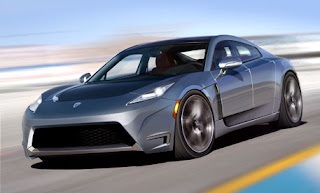
Electric Carmaker Tesla Downshifts
Autos October 23, 2008, 5:00PM EST
Funding gaps have put some of the Silicon Valley carmaker's plans on hold
By David Welch
Since its founding in 2003, Elon Musk's Tesla Motors has been a proud creature of Silicon Valley. That's to say a startup with outsize ambitions and a public disdain for business as usual—or at least as practiced by the dinosaurs in Detroit. On a tight budget, Tesla built an electric car, the Roadster, that's acclaimed for its harmonious balance of greenness, beauty, and performance. Tesla has 1,200 back orders for the $100,000 sports car, mostly from wealthy trendsetters.
But Musk, a software entrepreneur who made millions with PayPal (EBAY), has bigger aspirations: He dreams of one day producing a line of electric vehicles for every purse and purpose. A few weeks ago, Tesla seemed to be on the road to making that happen. Musk had verbal commitments for $100 million in private capital, federal loan guarantees geared at jump-starting development of alternative vehicles, and thoughts of going public next year.
TROUBLE AHEAD?
Then the world changed. On Oct. 11 Musk's financial advisers at Goldman Sachs (GS) called with bad news. Investors, fazed by the credit crunch, were suddenly demanding tougher terms. Musk organized bridge financing and poured more of his own money into Tesla. With $55 million-plus at stake, Musk, who is chairman, asked the CEO to step aside, and he took over that role. He began retrenching, laying off 80 of 380 people, cutting costs, and postponing Tesla's second model, the $60,000 Model S sedan. "We're taking action before we're forced to," Musk says.
But delays and tight funds could undercut Musk's long-term vision of selling affordable electric cars to the masses. If oil prices continue their fall and stay below $80 a barrel, Tesla, which currently spends nothing on marketing, could lose some of its buzz. Plus, the startup could lose its first-mover advantage: By 2010, everyone from General Motors (GM) to Toyota Motor (TM), Nissan Motor (NSANY), and Daimler (DAI) expects to launch their own electrified vehicles. James N. Hall, who runs the auto consulting firm 2953 Analytics, sees trouble ahead. "If the market wants [electric cars] in the number Tesla is talking about," he says, "a larger auto company will bury them on cost."
The financing crunch is the second crisis Tesla has endured in the past 12 months. Last year it found that its much hyped $100,000 Roadster was over budget by some $40,000 per car. Tesla had to delay the launch by six months while it looked for a way to make the car profitably. Musk fired founding CEO Martin Eberhard and brought in as interim chief Michael Marks, an executive at electronics maker Flextronics International (FLEX).
A LOT LIKE MOTOR CITY
The crisis was chastening for the Valleyites. With Marks and Musk more involved, Tesla ditched specialty suppliers, one of which had never made parts for mass-market cars before, and brought in established parts makers, some from Detroit. That cut costs by thousands of dollars per car. (Musk says the Roadster now makes money.)
Marks, who left the interim post in December, also urged Tesla to hire more people with auto industry experience. This summer, Tesla recruited engineering and factory veterans from Chrysler, a finance guy from Ford Motor (F), and a design chief from Mazda Motor (F). They were to streamline engineering, make Tesla's far-flung manufacturing operations more efficient, and get spending under control.
The Detroit hands had left flailing domestic carmakers for a startup that was promising to reinvent the industry. What they got instead was, well, more of what they were used to back in Motor City. Instead of planning research and development budgets and doling out money to add staff and produce tomorrow's electric cars, Tesla Chief Financial Officer Deepak Ahuja, the former Ford finance guy, has to swing the budget ax and say "no" more often than he thought he would. "I didn't anticipate that," Ahuja says. "We have to react as fast as we can to changing business conditions."
So far the cost cuts are prosaic and piecemeal—moving the shrinking staff into one office, delaying the Model S until the loan guarantees from the Energy Dept. are available and investors loosen up, replacing the transmission handle with a button. But Tesla will need further-reaching structural changes. For example, it gets car bodies and chassis from British sports car builder Lotus, builds electric motors in Taiwan, and does final assembly in California. Given the shipping and exchange rates, the cost per car is "scary," says Musk. He would consider shifting everything to the U.S., but he can't move body production there until 2010, when the Lotus contract expires.
Of course, cost-cutting will take Tesla only so far. Given the array of electric and hybrid vehicles hitting the roads soon, the company needs to find a way to stand out. Musk is focusing on style. He wants to be the Apple of electric vehicles. He's hired Franz von Holzhausen, who, as Mazda's chief designer for North America, had a big hand in that company's celebrated new look. Musk hopes he'll bring a sophisticated, sporty look to Tesla vehicles.
Musk insists Tesla's next models will be irresistible. The Model S will go up against formidable competition—cars such as the Lexus GS 450h hybrid, the diesel Mercedes E-class, and the Chevrolet Volt. Not that those cars feature Tesla's neck-snapping acceleration and running cost of 4 cents a mile. "Our sedan will crush everything out there," Musk says.
You have to give the man marks for confidence. But the challenges are steep—and not just because a recession looms. Past executives say Musk is a micromanager and shares blame for last year's missteps. Marks acknowledges that developing the Roadster for $150 million was a real feat, but notes Musk isn't an auto guy. "They underestimated what it took to get here, and what it takes going ahead."
Business Exchange: Read, save, and add content on BW's new Web 2.0 topic network
Oil Shock for Plug-Ins?
Is there a future for electric cars? According to an Oct. 20 story in The Washington Post, the combination of rapidly falling oil prices and the credit crunch may well kill off an assortment of plug-in hybrids in the development stage. It's a debatable point, the Post acknowledges. Some industry insiders are betting the appetite for these pricey vehicles won't wane, thanks to growing awareness about the downside of oil dependency.
To read The Washington Post article go to http://bx.businessweek.com/electric-cars/reference
↓
ELECTRIC CARS
As gas prices continue to rise, car companies are rethinking electric cars. In fact, many top companies like General Motors, Nissan and Toyota are announcing new electric vehicles. This topic covers the news and views regarding advancements in electric car technology.
Electric Cars is part of Business Exchange, suggested by Robert Pierce. This topic contains 411 news and 922 blog items. Read updated news, blogs, and resources about Electric Cars. Find user-submitted articles and comments on Electric Cars from like-minded professionals.
Welch is BusinessWeek's Detroit bureau chief.
Engadget
Read - Road & Track writeup
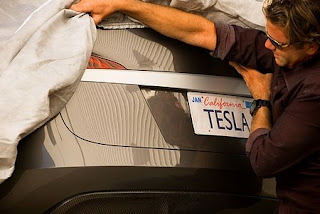
Read - Sneak peek of the rear


Electric Carmaker Tesla Downshifts
Autos October 23, 2008, 5:00PM EST
Funding gaps have put some of the Silicon Valley carmaker's plans on hold
By David Welch
Since its founding in 2003, Elon Musk's Tesla Motors has been a proud creature of Silicon Valley. That's to say a startup with outsize ambitions and a public disdain for business as usual—or at least as practiced by the dinosaurs in Detroit. On a tight budget, Tesla built an electric car, the Roadster, that's acclaimed for its harmonious balance of greenness, beauty, and performance. Tesla has 1,200 back orders for the $100,000 sports car, mostly from wealthy trendsetters.
But Musk, a software entrepreneur who made millions with PayPal (EBAY), has bigger aspirations: He dreams of one day producing a line of electric vehicles for every purse and purpose. A few weeks ago, Tesla seemed to be on the road to making that happen. Musk had verbal commitments for $100 million in private capital, federal loan guarantees geared at jump-starting development of alternative vehicles, and thoughts of going public next year.
TROUBLE AHEAD?
Then the world changed. On Oct. 11 Musk's financial advisers at Goldman Sachs (GS) called with bad news. Investors, fazed by the credit crunch, were suddenly demanding tougher terms. Musk organized bridge financing and poured more of his own money into Tesla. With $55 million-plus at stake, Musk, who is chairman, asked the CEO to step aside, and he took over that role. He began retrenching, laying off 80 of 380 people, cutting costs, and postponing Tesla's second model, the $60,000 Model S sedan. "We're taking action before we're forced to," Musk says.
But delays and tight funds could undercut Musk's long-term vision of selling affordable electric cars to the masses. If oil prices continue their fall and stay below $80 a barrel, Tesla, which currently spends nothing on marketing, could lose some of its buzz. Plus, the startup could lose its first-mover advantage: By 2010, everyone from General Motors (GM) to Toyota Motor (TM), Nissan Motor (NSANY), and Daimler (DAI) expects to launch their own electrified vehicles. James N. Hall, who runs the auto consulting firm 2953 Analytics, sees trouble ahead. "If the market wants [electric cars] in the number Tesla is talking about," he says, "a larger auto company will bury them on cost."
The financing crunch is the second crisis Tesla has endured in the past 12 months. Last year it found that its much hyped $100,000 Roadster was over budget by some $40,000 per car. Tesla had to delay the launch by six months while it looked for a way to make the car profitably. Musk fired founding CEO Martin Eberhard and brought in as interim chief Michael Marks, an executive at electronics maker Flextronics International (FLEX).
A LOT LIKE MOTOR CITY
The crisis was chastening for the Valleyites. With Marks and Musk more involved, Tesla ditched specialty suppliers, one of which had never made parts for mass-market cars before, and brought in established parts makers, some from Detroit. That cut costs by thousands of dollars per car. (Musk says the Roadster now makes money.)
Marks, who left the interim post in December, also urged Tesla to hire more people with auto industry experience. This summer, Tesla recruited engineering and factory veterans from Chrysler, a finance guy from Ford Motor (F), and a design chief from Mazda Motor (F). They were to streamline engineering, make Tesla's far-flung manufacturing operations more efficient, and get spending under control.
The Detroit hands had left flailing domestic carmakers for a startup that was promising to reinvent the industry. What they got instead was, well, more of what they were used to back in Motor City. Instead of planning research and development budgets and doling out money to add staff and produce tomorrow's electric cars, Tesla Chief Financial Officer Deepak Ahuja, the former Ford finance guy, has to swing the budget ax and say "no" more often than he thought he would. "I didn't anticipate that," Ahuja says. "We have to react as fast as we can to changing business conditions."
So far the cost cuts are prosaic and piecemeal—moving the shrinking staff into one office, delaying the Model S until the loan guarantees from the Energy Dept. are available and investors loosen up, replacing the transmission handle with a button. But Tesla will need further-reaching structural changes. For example, it gets car bodies and chassis from British sports car builder Lotus, builds electric motors in Taiwan, and does final assembly in California. Given the shipping and exchange rates, the cost per car is "scary," says Musk. He would consider shifting everything to the U.S., but he can't move body production there until 2010, when the Lotus contract expires.
Of course, cost-cutting will take Tesla only so far. Given the array of electric and hybrid vehicles hitting the roads soon, the company needs to find a way to stand out. Musk is focusing on style. He wants to be the Apple of electric vehicles. He's hired Franz von Holzhausen, who, as Mazda's chief designer for North America, had a big hand in that company's celebrated new look. Musk hopes he'll bring a sophisticated, sporty look to Tesla vehicles.
Musk insists Tesla's next models will be irresistible. The Model S will go up against formidable competition—cars such as the Lexus GS 450h hybrid, the diesel Mercedes E-class, and the Chevrolet Volt. Not that those cars feature Tesla's neck-snapping acceleration and running cost of 4 cents a mile. "Our sedan will crush everything out there," Musk says.
You have to give the man marks for confidence. But the challenges are steep—and not just because a recession looms. Past executives say Musk is a micromanager and shares blame for last year's missteps. Marks acknowledges that developing the Roadster for $150 million was a real feat, but notes Musk isn't an auto guy. "They underestimated what it took to get here, and what it takes going ahead."
Business Exchange: Read, save, and add content on BW's new Web 2.0 topic network
Oil Shock for Plug-Ins?
Is there a future for electric cars? According to an Oct. 20 story in The Washington Post, the combination of rapidly falling oil prices and the credit crunch may well kill off an assortment of plug-in hybrids in the development stage. It's a debatable point, the Post acknowledges. Some industry insiders are betting the appetite for these pricey vehicles won't wane, thanks to growing awareness about the downside of oil dependency.
To read The Washington Post article go to http://bx.businessweek.com/electric-cars/reference
↓
ELECTRIC CARS
As gas prices continue to rise, car companies are rethinking electric cars. In fact, many top companies like General Motors, Nissan and Toyota are announcing new electric vehicles. This topic covers the news and views regarding advancements in electric car technology.
Electric Cars is part of Business Exchange, suggested by Robert Pierce. This topic contains 411 news and 922 blog items. Read updated news, blogs, and resources about Electric Cars. Find user-submitted articles and comments on Electric Cars from like-minded professionals.
Welch is BusinessWeek's Detroit bureau chief.
Engadget
Read - Road & Track writeup

Read - Sneak peek of the rear
2008年10月23日 星期四
訂閱:
文章 (Atom)


